Most of us are taught to think of time as a road: the past is a trail we’ve left behind, and the future is the horizon we are moving toward. But high in the Andes mountains, there is a language that flips this map entirely. To speak Aymara is to see the world through a different lens—one where the past is in front of your eyes and the future is at your back.
The Hidden Gem of the Andes
Aymara is an indigenous language spoken by over two million people across the Altiplano region of Bolivia, Peru, and Chile. While it often sits in the shadow of Spanish or Quechua, Aymara is a linguistic powerhouse. It is a language of deep logic and ancient history, challenging Western learners to rethink how human beings perceive reality, evidence, and time itself.
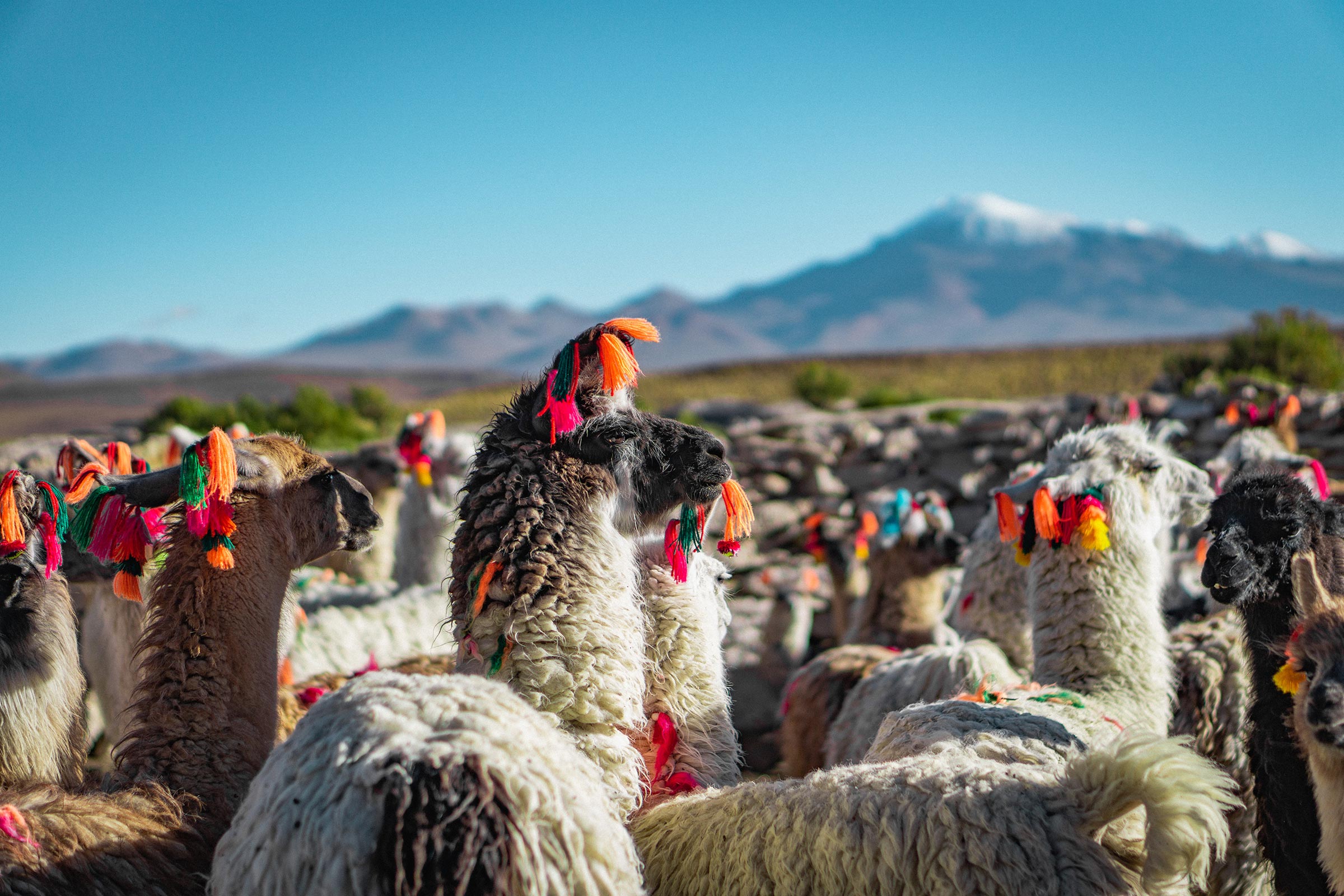
Llamas field
A Brief History: The People of the Altiplano
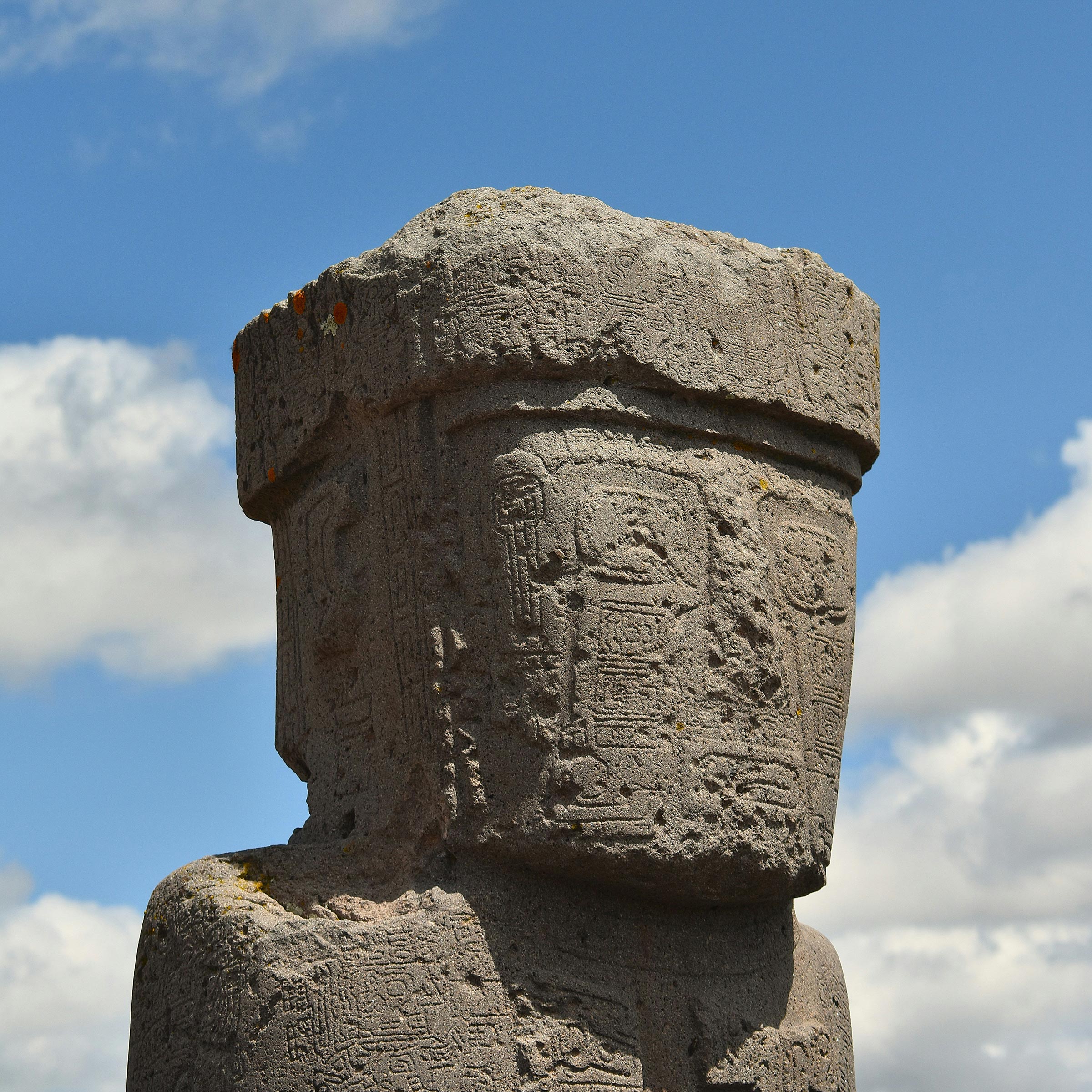
The roots of Aymara stretch back long before the rise of the Inca Empire. It was the language of the Tiwanaku civilization, a major power in the Andes for centuries. Despite the later expansion of the Incas and the subsequent Spanish colonization, the Aymara people maintained a fierce linguistic identity.
Today, it is recognized as an official language in both Bolivia and Peru. It remains a vibrant, living language, spoken in bustling city markets in La Paz and quiet rural communities alike, serving as a symbol of indigenous resilience.
Linguistic Marvels: Agglutination and Evidence
Aymara is structurally fascinating. It is an agglutinative language, meaning it builds complex meanings by adding many suffixes to a single root. In English, we might use five or six words to express a thought; in Aymara, those ideas are often fused into one long, precise word.
Photo: Matheus Oliveira
Beyond its structure, Aymara is famous for its trivalent logic. While many languages operate on a "true or false" binary, Aymara traditionally includes a third category: the "uncertain." This is tied to a strict sense of evidentiality. In Aymara, you cannot simply state a "fact" without clarifying how you know it. Did you see it with your own eyes? Did you hear it from a neighbor? Is it a guess? The language forces a level of honesty and precision that is rare in the Western world.
The "Time Flip": Seeing the Past
The most famous aspect of Aymara is its spatial-temporal metaphor. In most cultures, we gesture forward when talking about the future. In Aymara, the words tell a different story:
Nayra (Past / Eye / Front): Because the past has already happened, it is "known." Since we can "see" it in our minds, it is placed in front of our eyes.
Qhipa (Future / Back): Because the future is unknown and cannot be seen, it is described as being "behind" the speaker.
This isn't just a quirk of grammar; it reflects a philosophy that prioritizes history and experience over speculation. To an Aymara speaker, you walk into the future "backwards," keeping your eyes fixed on the lessons of the past.
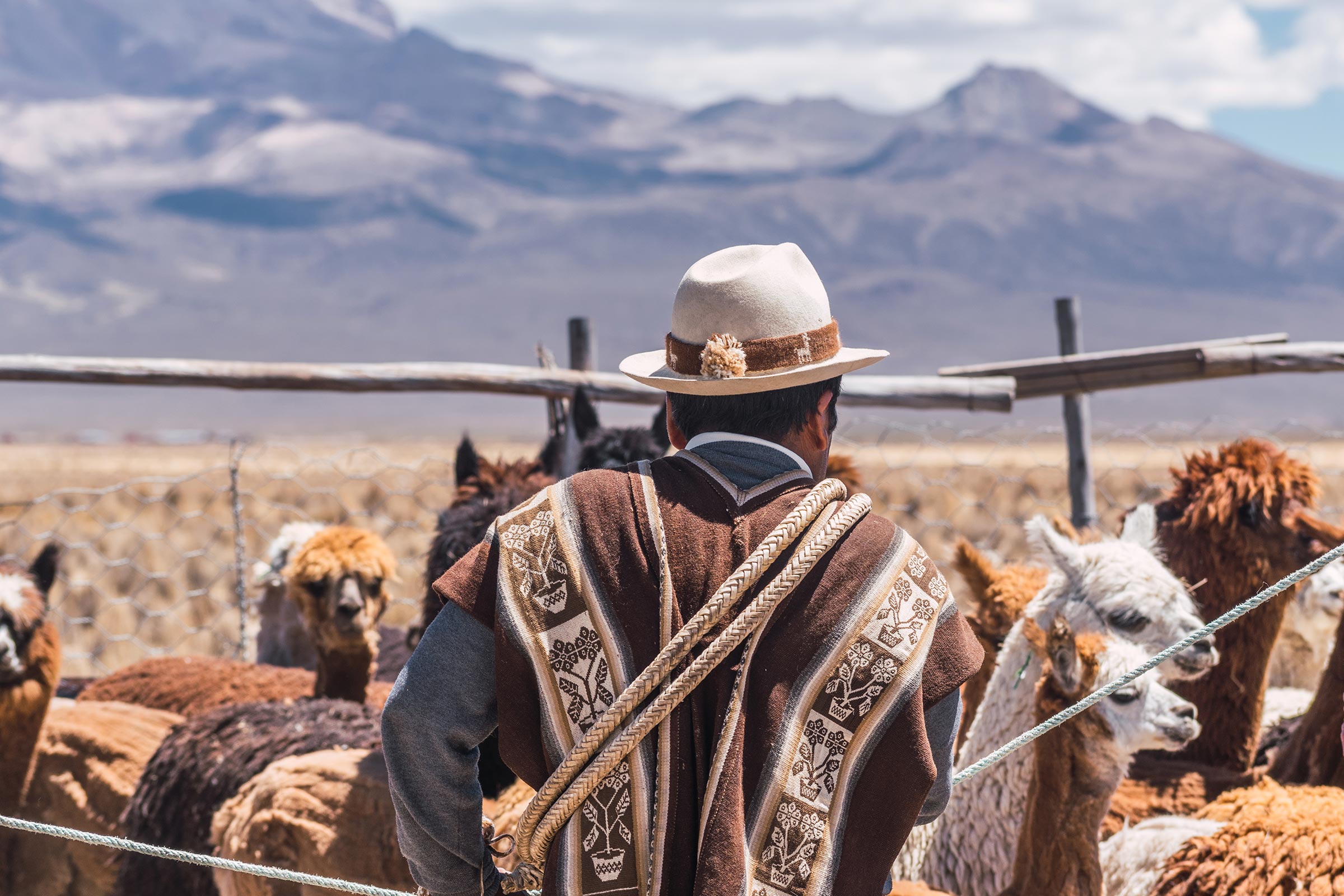
An alpaquero and his herd
The "Black Hole" Bridge: Aymara in Computing
Perhaps most surprising is Aymara’s history in computer science. In the 1980s, researchers discovered that its remarkably rigid, algorithmic structure made it a perfect "interlingua" for machine translation. Because the language uses predictable suffixes to modify meaning, it functions like a mathematical core that a computer can use to map one language to another.
However, this technical efficiency leads to what linguists call the "Black Hole" paradox. Aymara’s grammar is so precise—specifically regarding its trivalent logic, that it captures nuances of certainty that other languages simply cannot express. When translating into Aymara, the information becomes highly refined; but when translating out of it into a language like English, that extra detail "disappears" because the target language lacks the grammatical structures to hold it. Like a black hole, Aymara draws in immense amounts of linguistic data that can never fully escape back into simpler tongues.
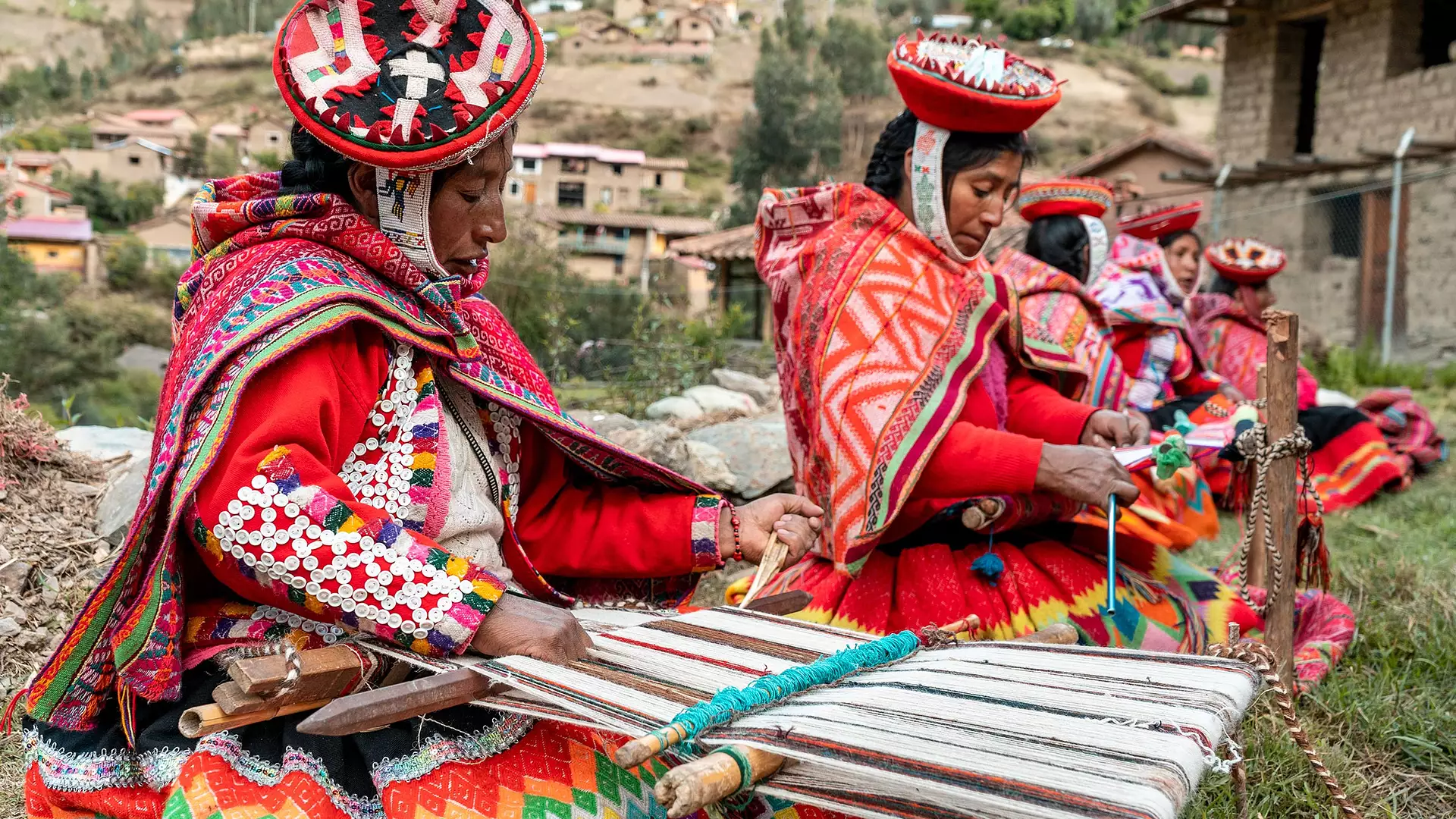
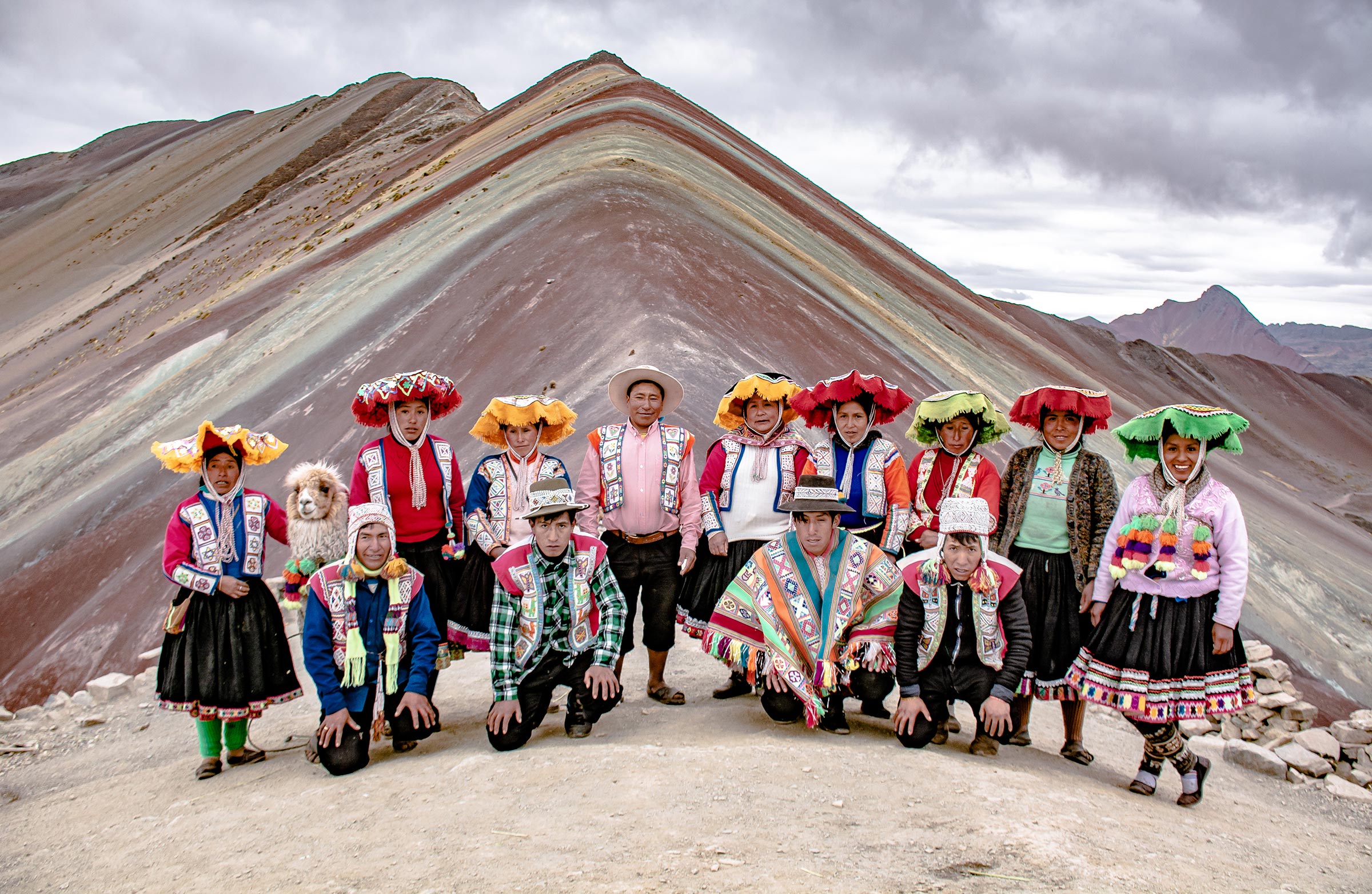
The Winicunca community in traditional attire at Rainbow Mountain, Peru
Basic Phrases
If you are interested in the sounds of this ancient language, here are a few basic phrases to get you started:
Kamisaraki? - How are you? Waliki. - I am well. Jikisiñkama. - Goodbye / Until we meet again. Yuspajara. - Thank you. Aruskipasipxañani. - Let us keep communicating (A common cultural motto).
Posted on 16th of January, 2026
Blog Posts
Learning a Language on Telegram? Yes, It Actually Works
Training your brain to tie the language to real moments
Improve your language skills effortlessly with personalized, contextual vocabulary and real-time feedback and corrections. Practice naturally through chat-based, real-life conversations, accessible via web and Telegram. Experience efficient AI-powered learning with flashcards for vocabulary building, delivering quick results with minimal effort.