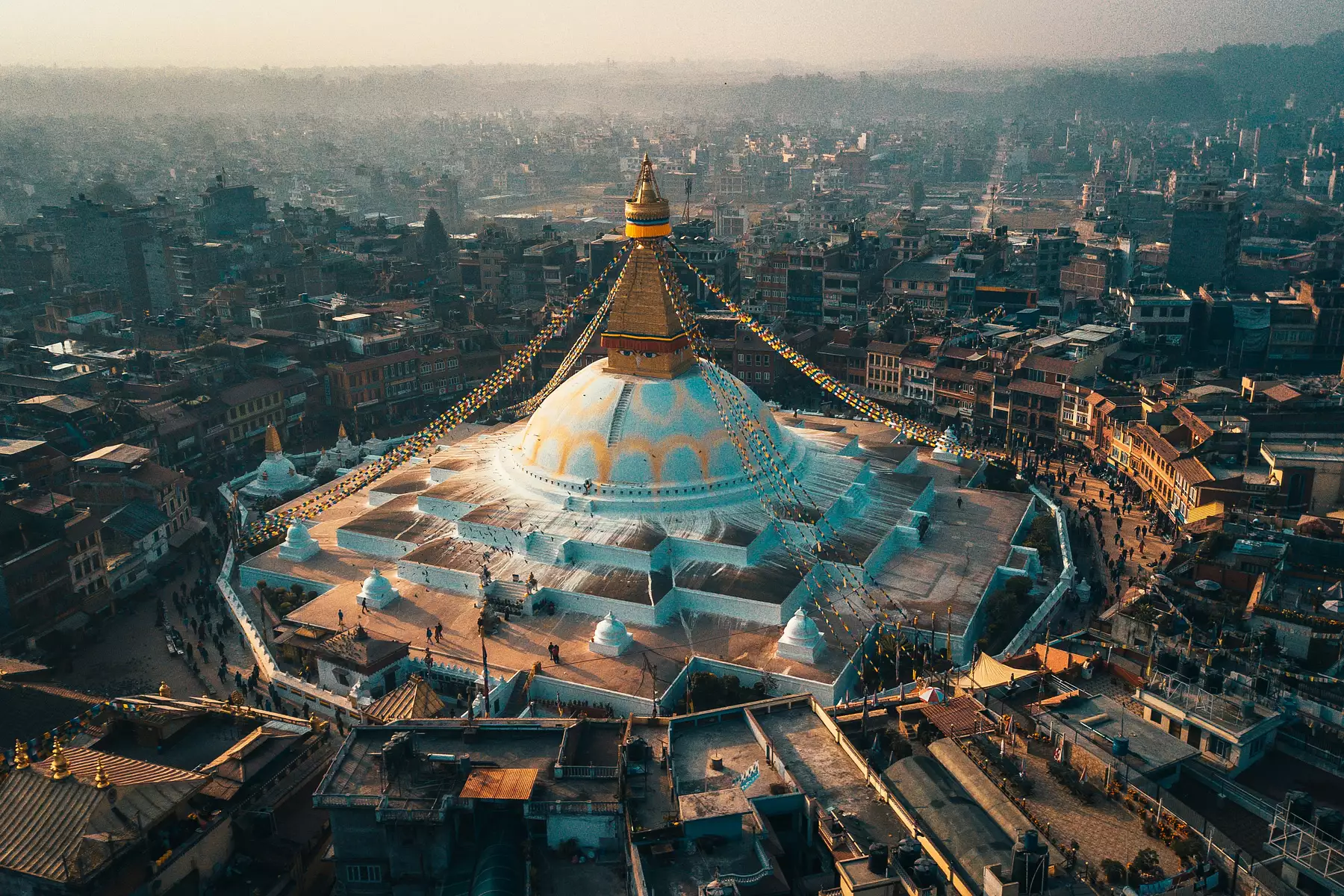
तपाईंलाई कस्तो छ?
'How are you?' in Nepali
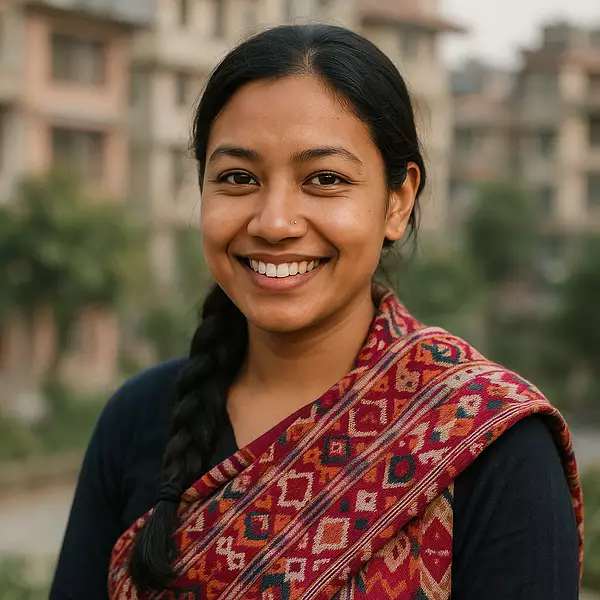
Photo by Raimond Klavins
Language
 Nepali
Flashcards
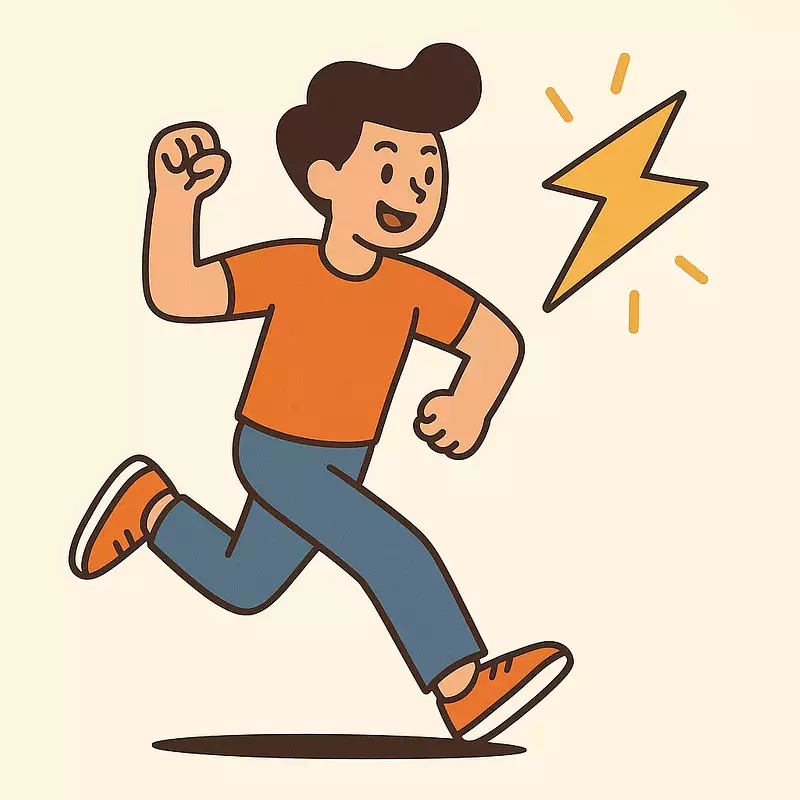
ऊर्जा
urja
energy
The capacity for vigorous activity; vitality.

घर
ghara
house
A building for human habitation; a dwelling.
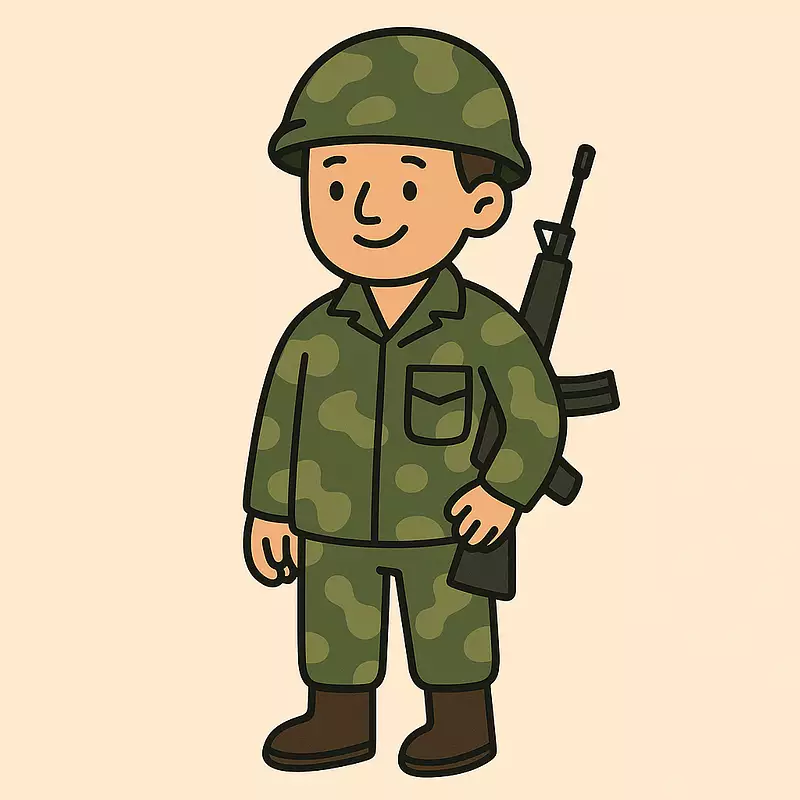
सैन्य
sainya
military
Relating to the armed forces.

समूह
samūha
group
A collection of people or things considered together.
Stories
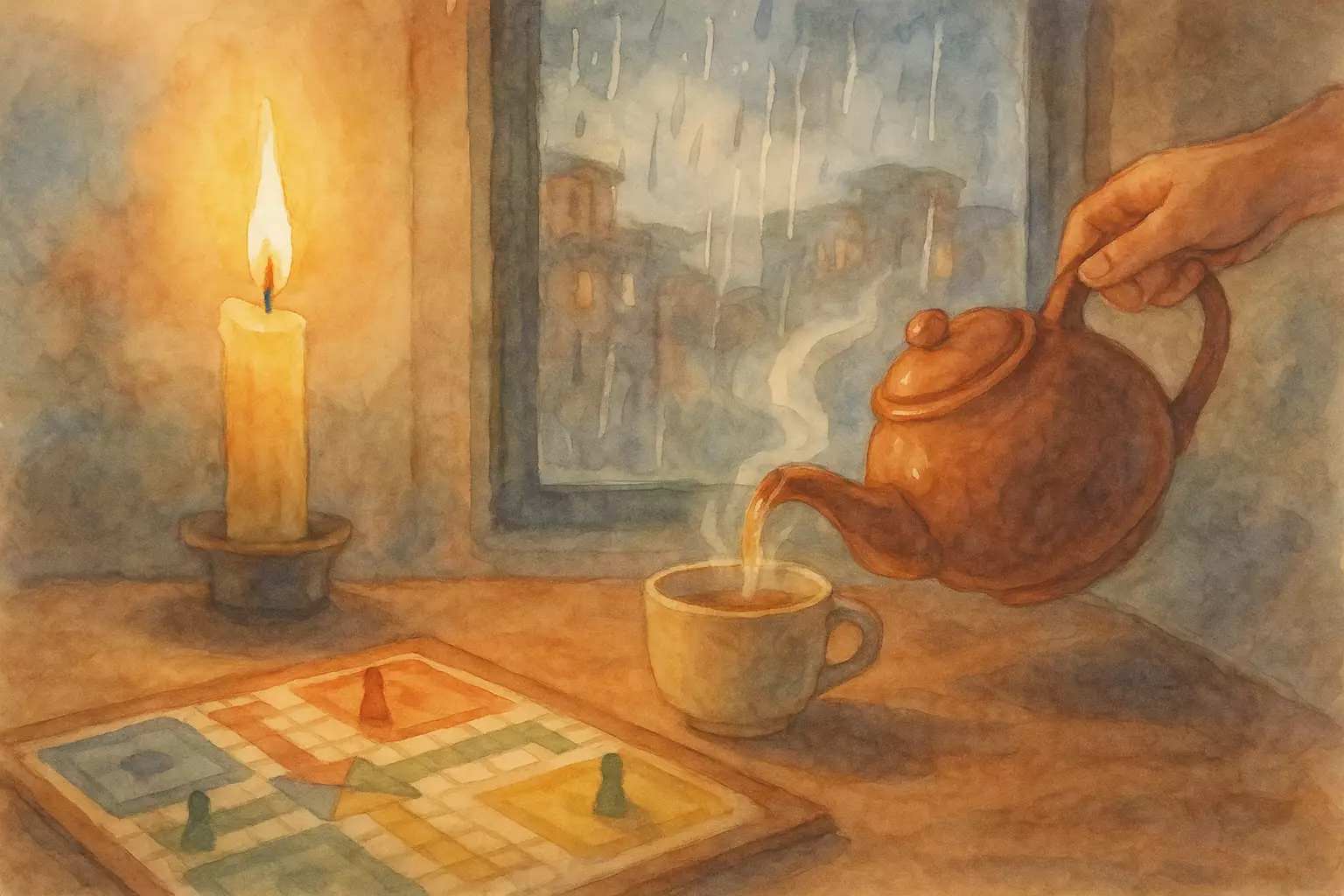
Warm Chiya on a Rainy Power-Cut Afternoon
Stuck indoors by heavy rain in a small Lalitpur apartment, the narrator brews tea and fries pakoras during a power cu...
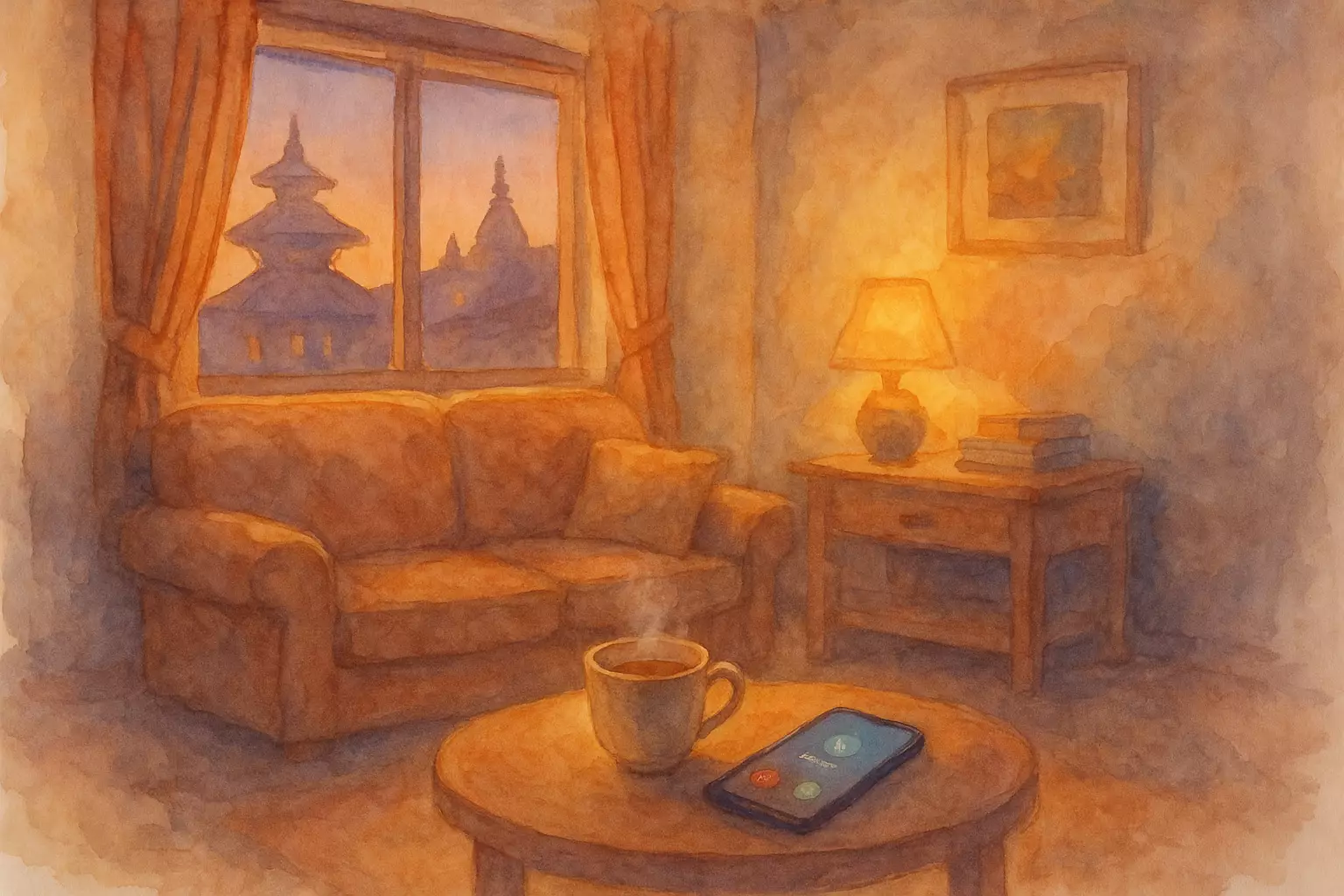
A Warm Call from Ramesh
On a quiet evening in Nepal, the narrator gets a surprise phone call from an old school friend, Ramesh; they laugh ov...
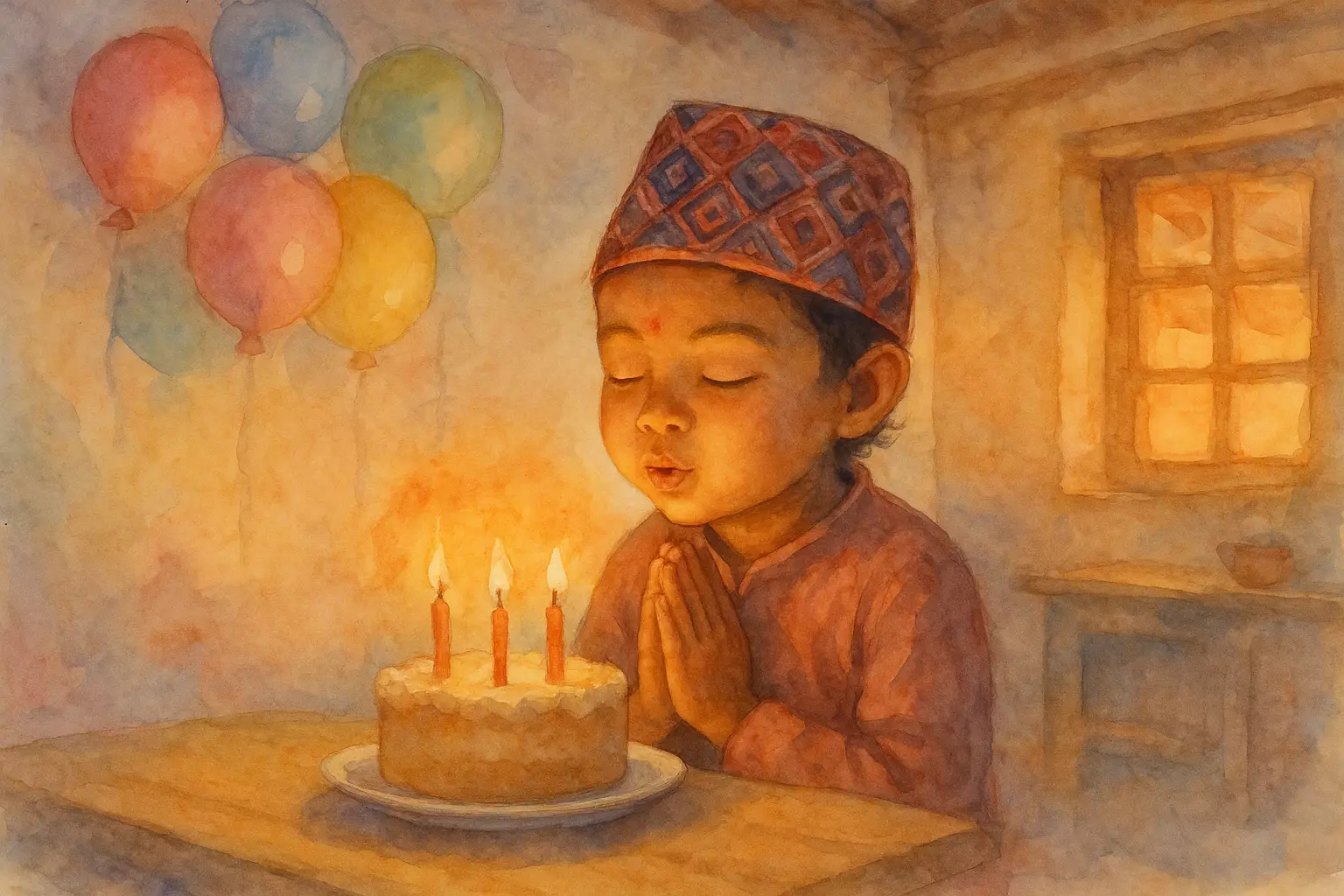
A Simple Birthday at Home
At home in Nepal, a child celebrates a birthday with family and friends. They clean the house, light candles, cut a s...
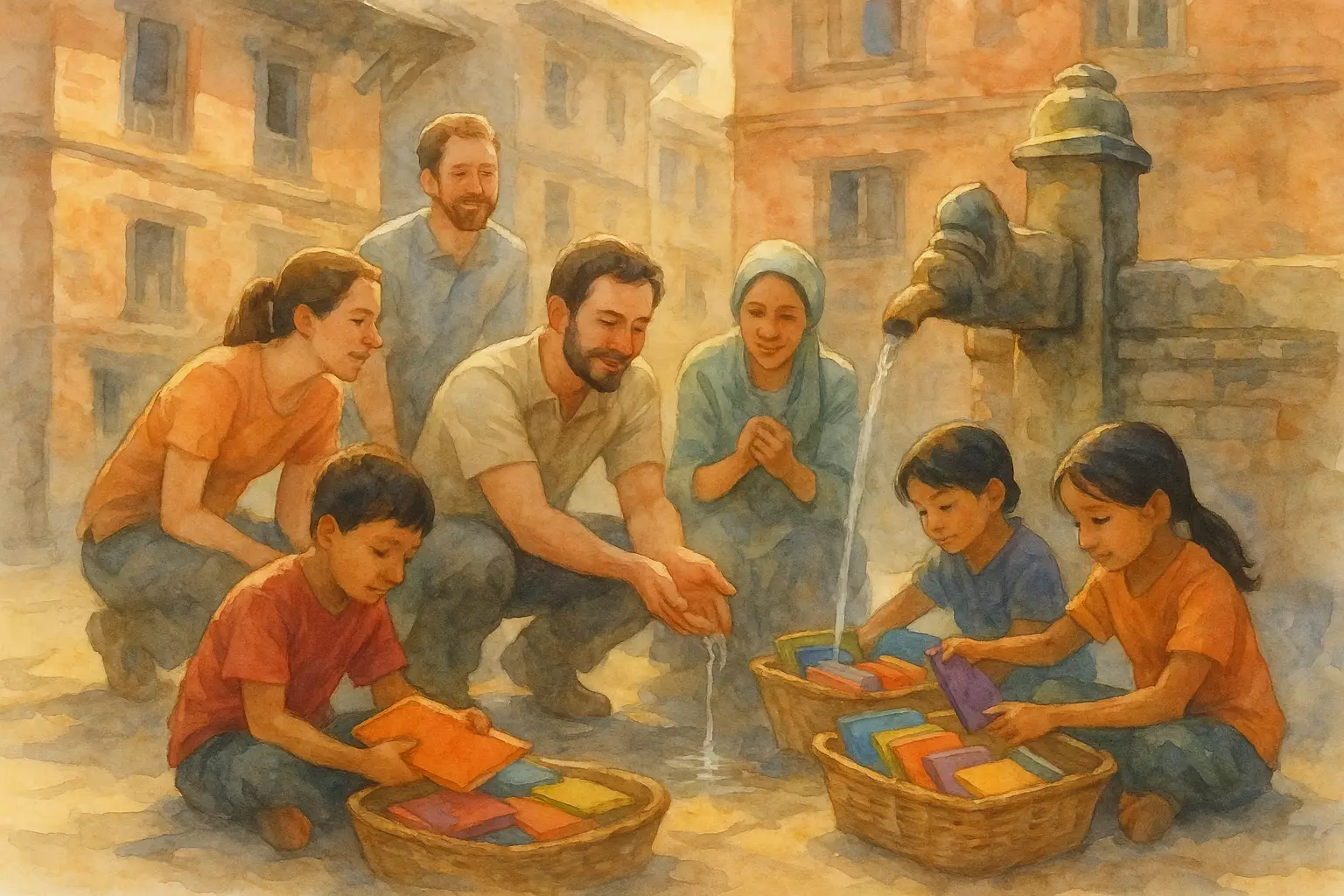
Shared Hands on Saturday
In a Kathmandu neighborhood, a passerby joins a local volunteer group to clean the area, fix a leaking tap, sort book...
Agents

Samiksha

Prakriti
Asmita
Discover another 33 amazing languages


















Chinese
Spanish
French
Unlock Your Personalized Learning
- Custom learning experience
- Conversations history
- Password recovery